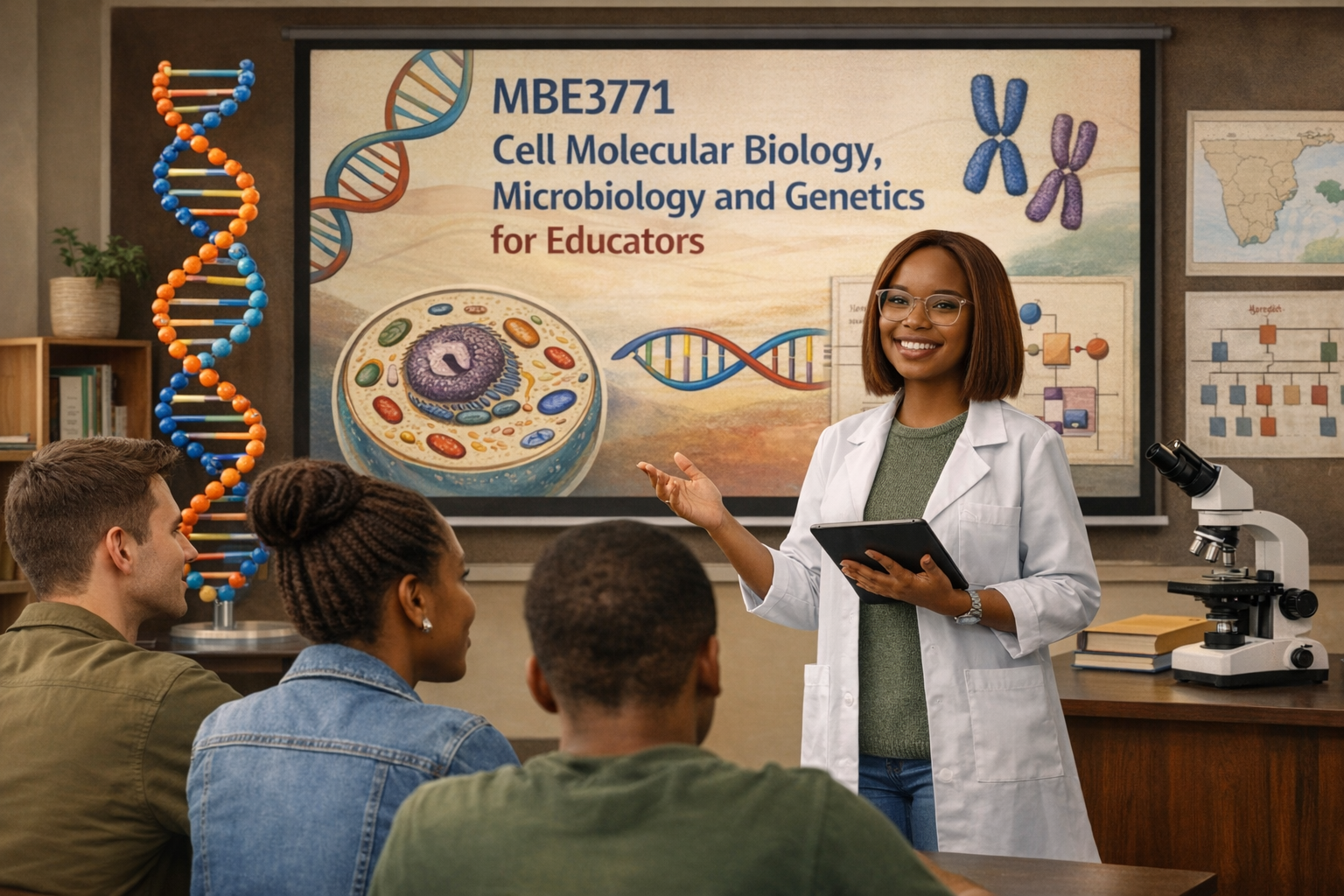
This broad-based course will start with an introduction to the chemical basis of cellular processes. Topics will include (A) Macromolecules - proteins, carbohydrates, fatty acids, nucleic acids, - and their roles in cellular organization. DNA structure and genome sizes and complexity - DNA replication, Eukaryotic transcription and RNA processing. (B) Genetics - an overview of mitosis and meiosis, Mendelian & non-Mendelian genetics, monohybrid crosses, dihybrid crosses, test crosses, chromosomal theory of inheritance, sex determination & sex-linked genes, basic genetic linkage, chromosome mapping, the genetic code, structure and function of eukaryotic chromosomes and mutations as the basis for genetic variations and their effects and natural selection. (C) Principles of microbiology – (i) Microbial cell structure - microbial cell structure, physiological diversity of microorganisms, prokaryotic diversity, microbial cell membranes and cell walls. Surface structures and inclusions. (ii) Culture media - laboratory culture of microorganisms, enrichment and isolation, isolation of pure cultures, microbial nutrition and metabolism (iii) Staining techniques - microscopy and cell morphology, bacterial cell division, growth of bacterial populations, identification of bacteria, and microbial growth - environmental effects on microbial growth, control of microbial growth. (iv) Endospores, microbial motility and bacterial taxis (D) Microbial genetics and genetic engineering - conjugation, transformation and transduction. Mutations - causes and uses of mutations. DNA Isolation. Molecular cloning - genetic recombination, detection of variation in proteins and DNA. Genetically Modified Organisms - examples, risks and benefits.